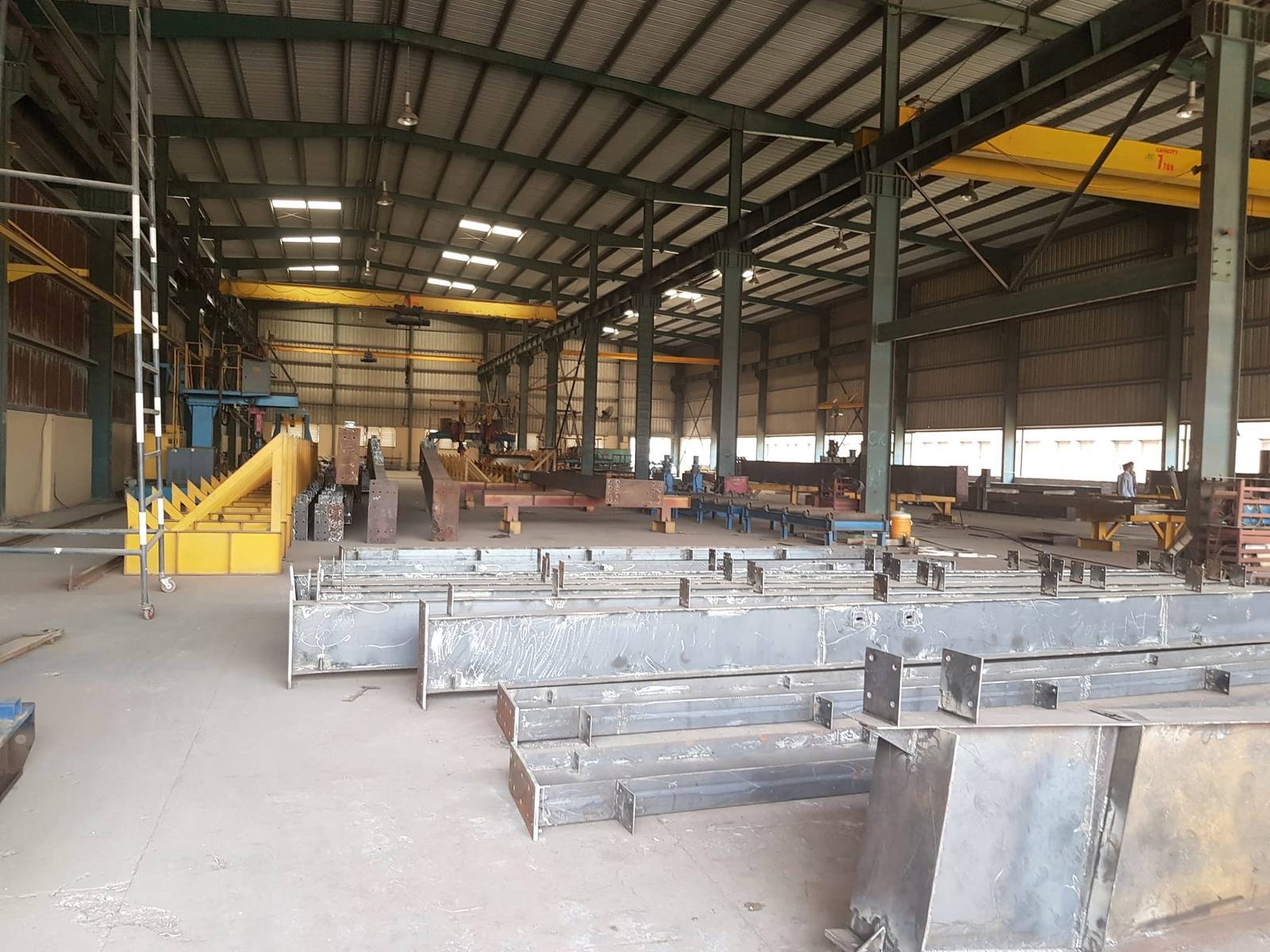
Compare the scope before comparing the price.
A good EPC comparison makes differences visible: the design basis, included work, excluded interfaces, programme assumptions and evidence behind each offer.

Create one comparison basis
Two EPC contractor proposals can describe the same factory or warehouse and still price different buildings. One may include foundations and industrial floors; another may stop at the frame and roof. One may allow for design development while another relies on issued construction drawings.
Start an industrial construction comparison in Pakistan with a common document list: the enquiry, scope schedule, drawings and revisions, specifications, equipment information and clarifications. Ask each bidder to identify departures from that basis. Keep qualifications beside the relevant price instead of burying them in correspondence.
If the brief is still developing, record which figures are budgets, allowances or firm offers. A comparison should make that uncertainty visible. The industrial EPC project brief helps assemble the starting information.
Use a responsibility matrix
For each line of work, record the proposed deliverable, responsible party and exclusion or assumption. “By others” needs a named owner before award. The following questions can form the rows of a bid comparison.
| Scope | What to compare | Evidence to request |
|---|---|---|
| Engineering | Design scope, review roles, survey inputs and approval responsibilities | Deliverable list and drawing-release schedule |
| Civil & structure | Groundworks, foundations, floors, frame and external works | Scope breakdown and measurement basis |
| Envelope | Roof, walls, openings, drainage and specified finishes | Specifications and interface schedule |
| Services & equipment | Building services, utility connections and client-supplied equipment | Package boundaries and named owners |
| Programme | Design releases, procurement, access, construction and handover | Milestones with dependencies and assumptions |
| Close-out | Inspection, testing, documents, training and outstanding work | Proposed acceptance and handover schedule |
On a narrow screen, scroll the table sideways to read all three columns.
Make commercial differences explicit
Read the price alongside the quantity basis, exclusions, validity period and payment milestones. Ask bidders to separate any provisional allowances and identify the assumptions that would change the price. Record how applicable taxes, transport, unloading and temporary facilities are treated.
Where specialist equipment or imported materials are involved, ask the bidder to state delivery responsibilities, currency assumptions and the information needed to place an order. Compare the same supply and installation boundary for each offer. Confirm the final commercial and contractual terms with the project’s advisers before award.
- Does the price include all work needed for the stated handover milestone?
- Who pays for temporary utilities, testing and third-party inspections where required?
- What information or client decision can change the price or programme?
- How will changes be instructed, measured and agreed?
Check what the references actually prove
A project reference is most useful when it identifies the contractor’s role, scope and status. For a steel building, our guide to choosing a PEB contractor lists the licence, design, steel and welding records to ask for. Ask whether the company was the main contractor, a subcontractor, a supplier or a design consultant. Separate an awarded package from completed work, and substantial completion from final close-out.
SEED’s Multan Metro steel case study is an example of precise attribution: it records a prefabricated steel subcontract under Matracon Pakistan, with substantial completion certified in 2017. It is evidence for that package, not a claim to have delivered the entire metro programme as EPC contractor.
For a reference visit or technical discussion, ask for work relevant to your project’s interfaces. A steel erection reference and a multidisciplinary industrial services reference answer different questions.
Close the gaps before award
Produce one clarification register that records the question, bidder response, decision and affected document. Reconcile revised prices against the agreed changes. At the decision stage, the scope, exclusions, responsibility matrix and programme should tell the same story.
The preferred offer should be understandable to the people who will administer and build the project. Give them the final document set and unresolved items with named owners, rather than leaving the award basis spread across separate messages.
Common comparison questions
Is the lowest price necessarily the lowest project cost?
Only comparable scopes can be assessed together. Excluded works, provisional quantities and client obligations may create costs outside the headline offer. Identify them before deciding.
What if the contractor calls the offer turnkey?
Ask for the included deliverables, acceptance requirements and exclusions. The scope and contract need to state what “turnkey” means for that specific facility.